

Table of Contents
- What You'll Need to Apply Edible Cupcake Toppers
- Preparing Your Cupcakes and Frosting Surface
- Best Frosting for Edible Images
- How to Apply Edible Cupcake Toppers Step by Step
- Troubleshooting Edible Image Curling and Moisture Issues
- How to Store Edible Cupcake Toppers
- Common Mistakes to Avoid
- Frequently Asked Questions
Last Updated: September 3, 2026
What You'll Need to Apply Edible Cupcake Toppers
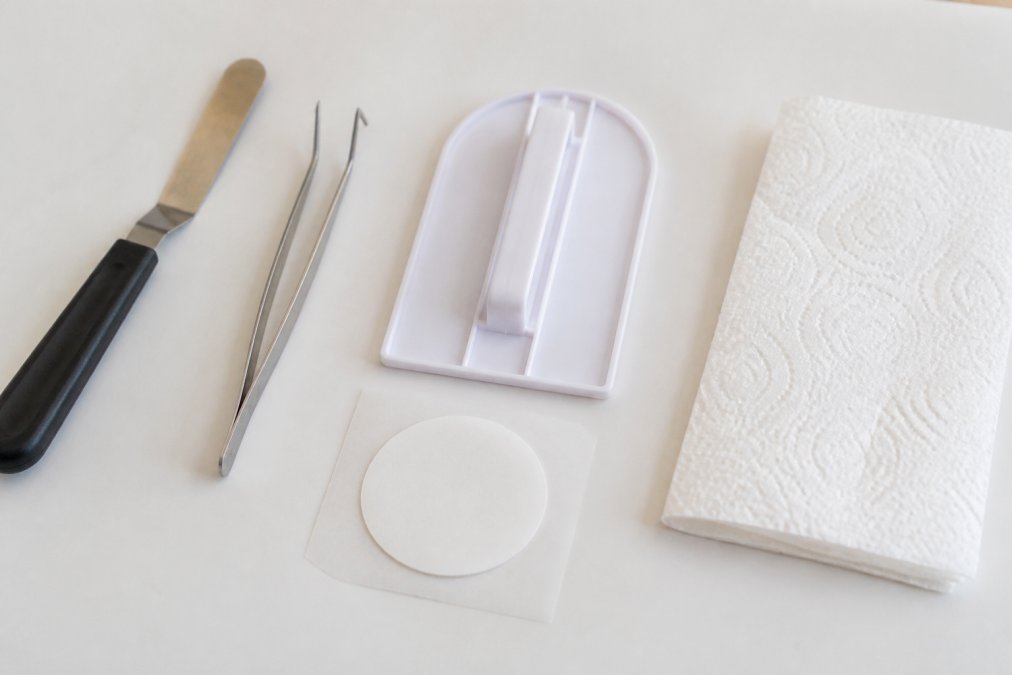
Gather a clean, dry work surface, paper towels, a small spatula or offset knife, and optionally tweezers for handling delicate toppers. A soft silicone tool, foam applicator, or clean spoon helps smooth air bubbles. Keep cupcakes at room temperature or slightly chilled, cold frosting becomes too firm and makes positioning difficult, while room-temperature frosting offers ideal firmness and tackiness for holding the topper in place.
Preparing Your Cupcakes and Frosting Surface
Your frosting surface must be smooth and level. Bumpy frosting catches topper edges and creates air pockets. If frosting looks rough, smooth it with a warm spatula or offset knife. A flat surface gives the topper maximum contact area and strongest adhesion.
Let cupcakes reach room temperature if refrigerated. Cold frosting is too hard and won't accept the topper properly. Cold frosting also causes condensation when brought to room temperature, making the topper soggy and causing ink bleeding.
Use a quarter-inch to half-inch frosting layer, too much creates an unstable base where the topper can sink or shift, while too little means the topper sits on the cake itself (the FDA). Clean and thoroughly dry your hands before handling cupcakes or toppers. Any residual moisture or oil transfers to the topper surface and prevents proper adhesion.
Best Frosting for Edible Images
Buttercream is the top choice for edible image toppers. American buttercream (butter and powdered sugar) has ideal tackiness for holding a topper while it settles slightly into the frosting, creating natural adhesion without sliding. Swiss or Italian meringue buttercream works similarly well, offering a silkier appearance while maintaining excellent grip.
Cream cheese frosting offers good adhesion but can be softer and prone to shifting in warm conditions. Fondant is smooth but often too slick for proper topper grip, lightly roughen the surface with a fork to create texture. Whipped cream and mousse-based frostings are too soft to hold toppers securely.
American buttercream remains the best choice because it balances firmness, tackiness, and stability. Test your application method on a practice cupcake first if using an unfamiliar frosting type.
How to Apply Edible Cupcake Toppers Step by Step
Applying an edible cupcake topper correctly takes about two minutes per cupcake once you develop the technique.
Step 1: Peel the Backing Sheet Carefully
Hold the topper at a slight angle and gently peel one corner of the backing sheet. Work slowly, rushing causes tearing or the backing sheet to take part of the topper with it. Peel at a 45-degree angle, keeping tension low. If resistance is high, stop and try a different corner. Once fully peeled, set the backing sheet aside and work quickly but calmly.
Step 2: Position and Gently Press Into Place
Position the topper over the frosting, holding it level with both hands or using tweezers to guide it. Lower it slowly and deliberately, centering it on the cupcake with even space on all sides. Once positioned, press gently and evenly using your fingertip or a soft tool. Start from the center and work outward to trap air and reduce bubble formation. Press for about 10-15 seconds total (the FDA). The topper should now be firmly adhered and not move when touched gently.
Step 3: Smooth Out Air Bubbles
Use your finger, a soft silicone tool, or foam applicator to gently smooth the topper surface. Work from the center outward using light circular motions to push trapped air toward the edges. If you see a bubble at an edge, gently lift that corner slightly and press it back down. Work slowly and carefully, aggressive smoothing can crease or damage the topper. Accept minimal bubbles rather than risk tearing through excessive manipulation.
Troubleshooting Edible Image Curling and Moisture Issues
Curling happens when moisture in the air causes the topper to absorb humidity and warp, especially in warm, humid conditions. Store toppers in cool, dry places in their original packaging until ready to use. If a topper starts to curl before application, place it between two flat, heavy objects for a few minutes to flatten it enough for application.
Moisture bleeding occurs when humidity causes edible ink to run into the frosting. Apply toppers as close to serving time as possible to minimize moisture exposure. Wafer paper toppers generally resist moisture better than thin icing sheets. For outdoor summer events, wafer paper toppers are the safer choice.

Air bubbles sometimes reappear hours after application if humidity causes the topper to expand slightly. This is normal and usually minimal.
How to Store Edible Cupcake Toppers
Store unopened toppers in their original packaging at room temperature in a cool, dry location away from windows, heat sources, and humid spaces. Once opened, store remaining toppers between two flat, rigid surfaces like a book or cutting board in a sealed container or bag.
Do not refrigerate or freeze toppers, cold temperatures cause condensation when the topper returns to room temperature, damaging the printed image. Finished cupcakes with toppers can be refrigerated loosely. Remove them 30-45 minutes before serving to prevent condensation (the FDA). Most toppers remain in good condition for several months when stored properly.
Common Mistakes to Avoid
Applying toppers to cold frosting is the most common error. Cold frosting is too firm and won't accept the topper properly, creating an unstable bond. Always bring cupcakes to room temperature first.
Rough or uneven frosting surfaces cause air bubbles and poor adhesion. Smooth your frosting base before application. Peeling the backing sheet too quickly tears the topper, patience matters here. Pressing too hard creases the topper or damages the printed image. Gentle, even pressure is all you need.
Applying toppers in humid conditions invites curling and moisture issues. Minimize the time between peeling and pressing. Using wet or oily hands transfers moisture and oils to the topper, preventing adhesion. Store toppers improperly in humid environments, near heat sources, or in the refrigerator compromises quality. Not testing your frosting type with a practice topper means discovering compatibility issues on your actual cupcakes.
Applying edible cupcake toppers transforms ordinary cupcakes into personalized works of art. Success depends on preparation, the right frosting type, and attention to detail during application. At SugarPrints by Alexis, our wafer paper and icing sheet options accommodate different frosting types and environmental conditions. The certified edible materials and food-safe inks mean you can focus on perfect application without worrying about safety or quality. Start with properly prepared cupcakes, smooth frosting, and gentle technique, and you'll achieve professional results every time. For custom designs that reflect your celebration's unique story, explore our Edible Wildflower Cupcake Toppers Pressed Flower Cake Decorations Set of 12 Wafer Paper or Icing Sheets and discover how personalized toppers elevate any gathering.

| Common Application Issue | Primary Cause | Solution |
|---|---|---|
| Air bubbles under topper | Trapped air during pressing | Smooth gently from center outward; lift edges and re-press |
| Topper curling at edges | Humidity exposure | Store in cool, dry location; apply close to serving time |
| Topper sliding or loose | Cold frosting or insufficient tackiness | Bring cupcakes to room temperature; use buttercream frosting |
| Ink bleeding or running | Moisture absorption in humid conditions | Apply toppers immediately before serving; use wafer paper in humidity |
| Topper tearing during application | Rough peeling or excessive pressure | Peel slowly at 45-degree angle; press gently and evenly |
| Uneven adhesion | Bumpy or textured frosting surface | Smooth frosting with warm spatula before topping |
Frequently Asked Questions
How do you attach edible cake toppers to frosting?
Apply edible cake toppers to frosting by first ensuring the frosting surface is smooth and slightly tacky. Peel the backing sheet away from the topper, then gently press it directly onto the frosting, starting from the center and working outward. Use a clean, dry finger or soft spatula to smooth out any air bubbles. Buttercream and Swiss meringue buttercream work best because they provide good adhesion without being too soft or too hard.
Why is my edible image curling on the cupcake?
Edible images curl due to humidity and moisture exposure. This happens when frosting is too warm, the environment is humid, or the topper sits in a damp setting. To prevent curling, apply toppers to completely cooled cupcakes with firm frosting, and store decorated cupcakes in a cool, dry place. If curling occurs, remove the topper immediately, let the frosting dry further, and reapply. Wafer paper is less prone to curling than icing sheets in humid conditions.
How far in advance can you put edible toppers on cupcakes?
You can apply edible cupcake toppers up to 24 hours before serving, though same-day application (2-4 hours before) is ideal for best appearance. Store decorated cupcakes in an airtight container at room temperature away from direct sunlight and moisture. Do not refrigerate unless absolutely necessary, as cold temperatures can cause condensation that damages the topper. For events more than a day away, decorate cupcakes the morning of or the day before, depending on your venue's temperature and humidity.
Can you remove and reposition an edible topper if it's not aligned correctly?
Yes, you can remove and reposition an edible topper if needed, but act quickly before adhesion sets. Gently peel the topper away from the frosting using a clean fingernail or thin spatula, starting at one edge. If the frosting becomes damaged during removal, smooth it with a clean spatula before reapplying. For best results, allow the frosting to firm up slightly (5-10 minutes) before attempting repositioning. Avoid removing and replacing the same topper multiple times, as this weakens adhesion and can damage the image.
This article was written using GrandRanker